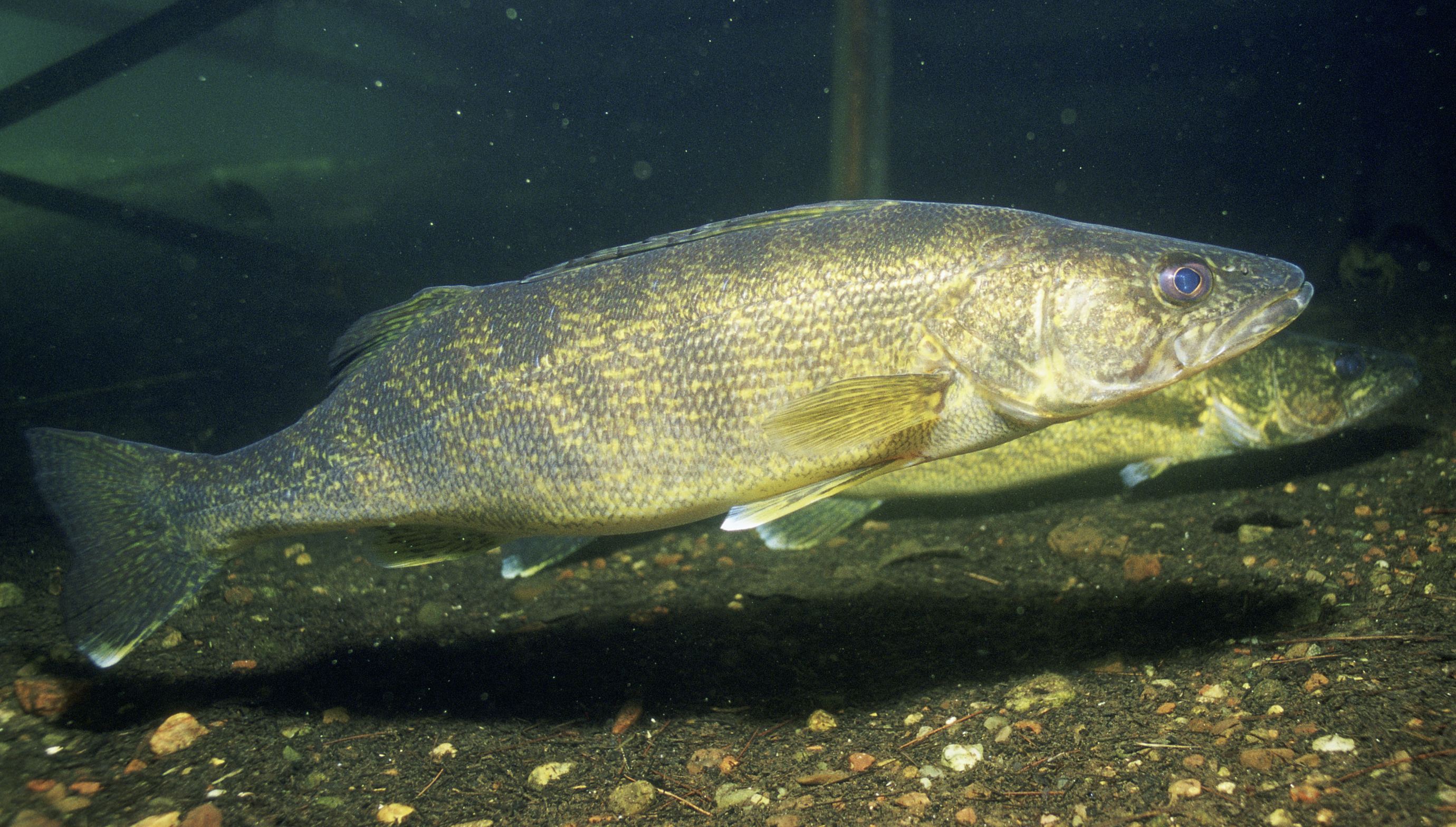
Walleye (Sander vitreus) is one of the most sought-after freshwater species in Ontario. The province manages walleye through a system of fisheries management zones, each with distinct open seasons, catch limits, and minimum size requirements. Understanding these rules before heading out is both a legal requirement and an essential part of responsible angling.
Open Season and Zone Differences
Ontario divides the province into fisheries management zones numbered from 1 to 20. Walleye open seasons, daily catch limits, and possession limits differ substantially across these zones. In many southern Ontario zones — including waters in the Kawartha Lakes region and Lake Erie tributaries — the walleye season typically opens in the third week of May and closes in mid-March the following year. However, in certain northern zones, the season may open later or carry different bag limits.
Important: Walleye seasons and catch limits change annually. Always consult the Ontario Recreational Fishing Regulations Summary for the current year before fishing.
Catch Limits by Zone
Ontario's daily catch limit for walleye ranges from two to six fish depending on the fisheries management zone. Possession limits are typically set at twice the daily catch limit. The table below reflects general patterns — actual limits must be confirmed in the current regulations summary.
| Zone Type | Typical Daily Limit | Minimum Size |
|---|---|---|
| Southern Ontario zones | 4–6 fish | None in most zones |
| Central Ontario zones | 4 fish | Some zones: 36 cm |
| Northern Ontario zones | 2–4 fish | Some zones: 40 cm |
Notable Ontario Waters for Walleye
Several Ontario lakes and rivers are known to support healthy walleye populations. The following waters are frequently referenced in government stocking reports and angling surveys:
Lake Erie
The Ontario side of Lake Erie has historically supported significant walleye populations, particularly in the eastern basin. Erie tributaries such as the Grand River near Dunnville see considerable walleye runs in spring. Fishing is subject to Ontario Fishery Zone 20 regulations, and specific limits apply given the shared nature of the resource with neighbouring U.S. states.
Lake Simcoe
Lake Simcoe in central Ontario has undergone significant walleye restoration efforts. The Lake Simcoe Protection Plan, administered under Ontario's Lake Simcoe Protection Act, includes provisions that affect angling. Stocking programs have contributed to walleye recovery in the lake; check current regulations for zone-specific rules before fishing Simcoe waters.
French River
The French River, connecting Lake Nipissing to Georgian Bay, passes through the French River Provincial Park. The river is part of Zone 10 and is known among anglers for walleye along its main channel. The area also holds northern pike, smallmouth bass, and muskellunge.
Rainy Lake
Situated in Northwestern Ontario along the Minnesota border, Rainy Lake falls within Zone 5 and supports strong walleye populations. The lake spans the international border, so anglers must carry valid Ontario licences when fishing on the Canadian side and be aware that possession at border crossings is subject to both provincial and federal rules.
Licence Requirements
To fish for walleye in Ontario, anglers must hold a valid Ontario Outdoors Card and the appropriate fishing licence. Ontario residents 18–64 years of age require a Sport Fishing Licence. Non-residents require a Non-Resident Fishing Licence or a Conservation Licence. Licences are available online through the Ontario government's licence portal, at select ServiceOntario locations, and at authorized retail vendors.
Baitfish and Live Bait Rules
Ontario regulates the use of baitfish to prevent the spread of invasive species including round goby, goldfish, and common carp. Many walleye fishing zones permit the use of certain native baitfish species, but the list of permitted species varies by zone. Some waterbodies are designated baitfish-free. Using unauthorized baitfish, or transferring bait between waterbodies, is an offence under the Ontario Fishery Regulations.
Conservation and Catch-and-Release
Ontario's walleye populations vary considerably across the province. In lakes where populations are under pressure, voluntary catch-and-release of larger, breeding-age females can support long-term fishery health. Walleye are generally more sensitive to handling stress in warm water. In summer, keeping fish in the water as much as possible and minimizing air exposure reduces post-release mortality.