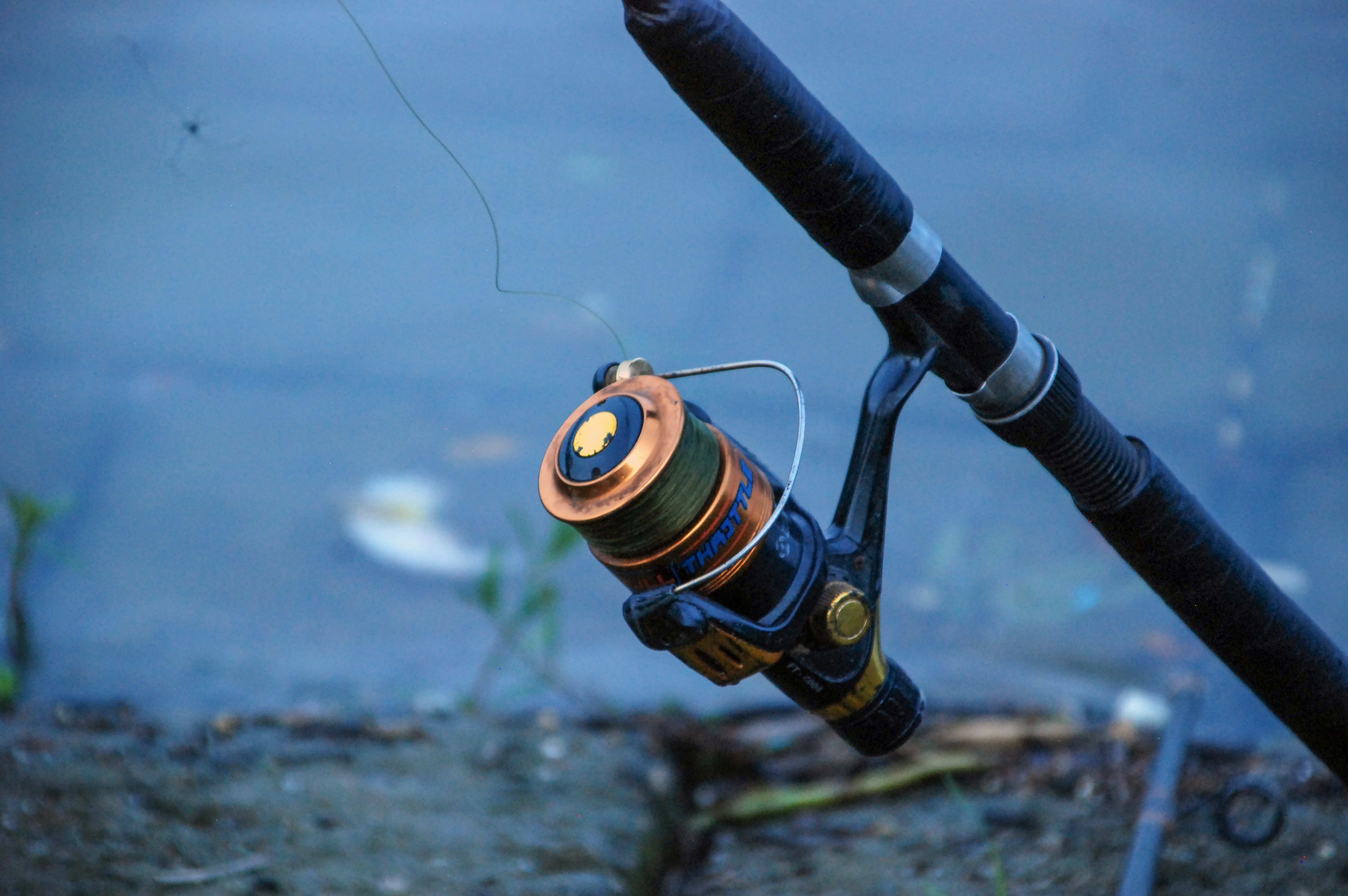
Freshwater fishing in Canada is regulated at the provincial and territorial level. Each jurisdiction issues its own angling licences, sets its own fees, and defines exemption categories. Federal rules under the Fisheries Act apply to fish stocks of national concern, but day-to-day angling regulations — including the requirement to hold a licence — fall under provincial jurisdiction.
Note: Licence fees and exemption ages are updated periodically. The figures below reflect publicly available information as of May 2026. Verify current fees on each province's official website before purchasing.
Ontario
Ontario requires most anglers to hold an Outdoors Card, which serves as a permanent identification document, plus an annual fishing licence attached to the card. The province offers Sport Fishing Licences and Conservation Licences — the Conservation Licence comes with reduced catch limits and a lower fee.
Who Needs a Licence
- Ontario residents aged 18 to 64 must purchase a licence.
- Residents under 18 and 65 or older are exempt from licence fees but must carry proof of age when requested.
- Non-residents of any age require a valid Ontario fishing licence.
Purchase Channels
Ontario licences are available online at the Ontario government's outdoor recreation portal, at ServiceOntario locations, and at authorized vendors including many sporting goods retailers and bait shops. One-day, eight-day, and annual options are available for non-residents.
Official source: Ontario — Get Your Fishing Licence
Quebec
Fishing in Quebec is managed by the Ministère des Forêts, de la Faune et des Parcs (MFFP). Quebec requires a separate fishing licence for each major species group — salmon licences are distinct from general freshwater fishing licences.
Licence Categories
- Quebec residents require a fishing licence for most species. Certain species such as brook trout require separate permits on designated waters.
- Non-residents need a non-resident fishing licence in addition to any species-specific permits.
- Children under 18 are exempt from the general freshwater licence requirement in Quebec.
ZECs and Controlled Zones
Much of Quebec's productive fishing water falls within Zones d'exploitation contrôlée (ZECs) or wildlife reserves. Access to these areas typically requires a separate daily access fee in addition to the provincial fishing licence. ZEC fees and quotas vary by zone and season. More information is available at Quebec MFFP fishing licences.
Alberta
Alberta Fish and Wildlife manages freshwater fishing regulations through annual Sportfishing Regulations, published by Alberta Environment and Parks. All anglers 16 and older must hold a valid Alberta Sport Fishing Licence.
Resident and Non-Resident Licences
- Alberta residents aged 16–64 pay a standard resident licence fee.
- Residents 65 and older are eligible for a reduced-fee senior licence.
- Non-residents — including residents of other Canadian provinces — must purchase an Alberta non-resident licence.
- Children under 16 are exempt from licence requirements but must follow all catch and possession limits.
Alberta licences are available online through My Wild Alberta and at fishing licence vendors across the province. Official regulations are published at Alberta Sportfishing Regulations.
British Columbia
BC separates freshwater from saltwater fishing licences. Freshwater angling in BC is managed by the Ministry of Forests. A Basic Freshwater Licence is required for most species; a separate licence is required for salmon and steelhead.
Licence Types
- BC Basic Freshwater Fishing Licence — covers most non-salmon freshwater species including rainbow trout, dolly varden, and bass.
- BC Salmon Licence — required for any angling that targets or incidentally catches salmon in freshwater.
- Annual and short-term options are available for both residents and non-residents.
Age Exemptions
BC residents under 16 and seniors 65 or older can fish for most freshwater species without a licence. Non-residents require a valid licence regardless of age. Full information is available at BC Freshwater Fishing.
General Cross-Provincial Notes
Non-Resident Definitions
Provinces define "non-resident" differently. In most jurisdictions, a person is a resident for fishing purposes if they have lived in the province for at least six consecutive months. A resident of Ontario fishing in Alberta is a non-resident for Alberta licence purposes and must purchase an Alberta non-resident licence.
Reciprocal Agreements
There are no broad reciprocal licence agreements between Canadian provinces. Each jurisdiction requires its own valid licence for waters within that province. Boundary waters — such as the Ottawa River, which separates Ontario and Quebec — may require licences from both provinces depending on where you are fishing.
Indigenous Rights
Indigenous peoples in Canada may have constitutionally protected rights to fish for food, social, and ceremonial purposes. These rights vary by treaty area and community and are distinct from recreational angling regulations. Provincial angling licence requirements generally do not apply to Indigenous food fishing rights.